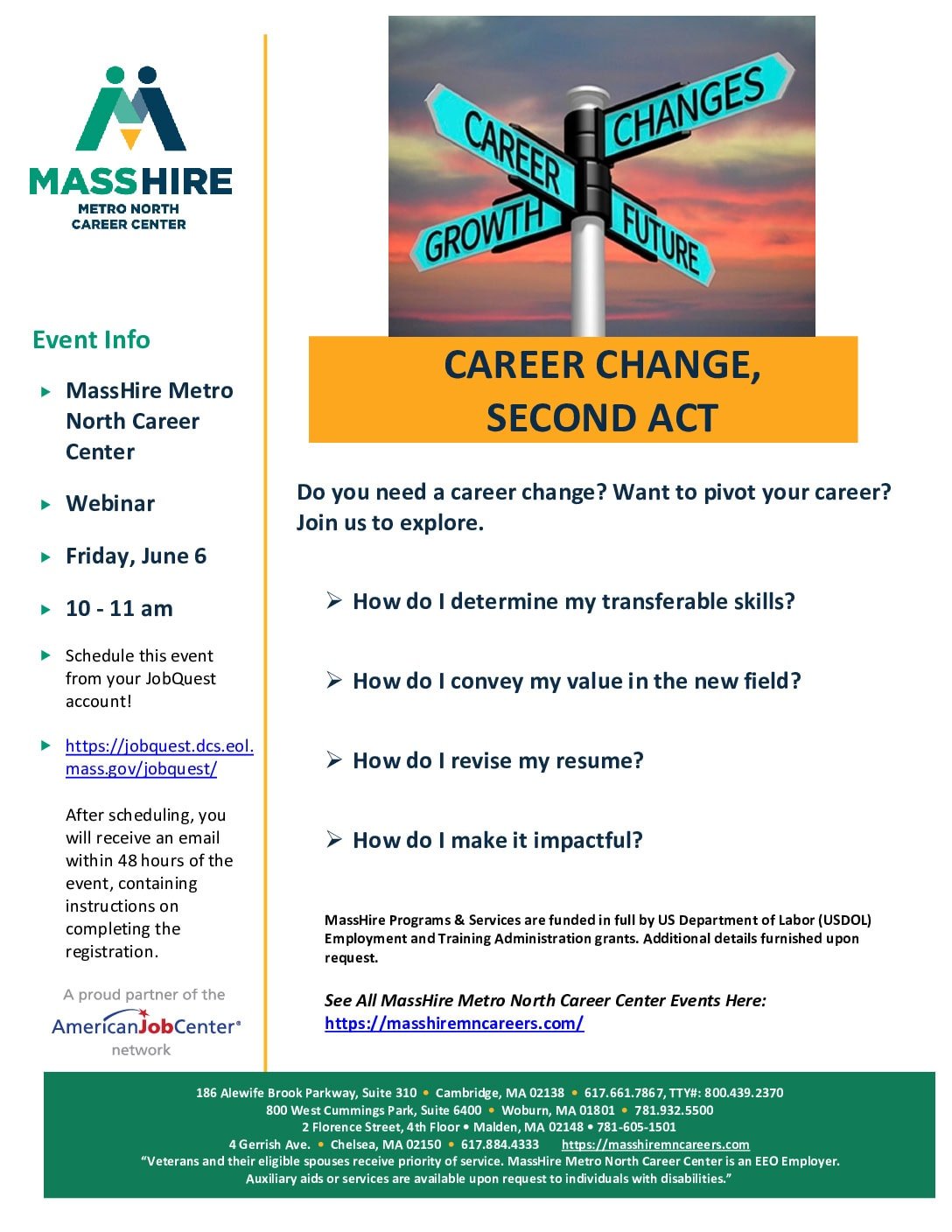
The idea of a single, linear career path feels increasingly anachronistic. Today, more and more individuals are exploring Career & Second Act Strategies to pivot, reinvent, and pursue work that truly resonates. Whether you're feeling unfulfilled in your current role, approaching retirement with a desire for new purpose, or simply craving a fresh challenge, a "second act" career isn't just a trend—it's a profound opportunity for personal and professional renewal. It's about leveraging your accumulated wisdom and skills to embark on a new chapter, often one that proves deeply rewarding and meaningful.
This isn't about throwing caution to the wind; it's about thoughtful, strategic planning to make your next move a success. We'll explore how to navigate this exciting transition, from clarifying your deepest desires to laying the practical groundwork for your professional renaissance.
At a Glance: Charting Your Course
- Start with Soul-Searching: Before anything else, understand what truly drives you, what new skills you want to use, and what "success" means in your next chapter.
- Assess Your Finances: Be honest about your economic needs. A dream career isn't sustainable if it compromises your security.
- Explore Broadly, Then Deeply: Don't limit your options. Research diverse paths through informational interviews and real-world exposure.
- Map Your Transferable Skills: You already have a wealth of experience. Identify how your existing talents can serve your new ambitions.
- Bridge Skill Gaps Strategically: If there are areas where you need to grow, find efficient ways to gain the necessary knowledge or experience.
- Plan Your Transition Meticulously: A successful shift rarely happens overnight. Think about the financial, legal, and personal implications well in advance.
- Build Your Advisory Team: Engage financial advisors, tax experts, and mentors who can offer objective, professional guidance.
Why a Second Act? Beyond the Traditional Path
For generations, the career trajectory was often a straightforward climb: enter a field, advance, and eventually retire. But with increasing lifespans and a rapidly evolving job market, this model no longer fits everyone. Retirement, once seen as an endpoint, is now an ideal time for many to launch an "encore" career—work that is often personally meaningful, community-focused, or a pursuit of a long-held passion.
A second-act career isn't just for those nearing traditional retirement age. It’s for anyone in mid-career who feels a pull toward something different, perhaps driven by a desire to align their work more closely with their values, explore new interests, or simply address dissatisfaction with their current professional life. It's about defining your professional journey on your terms, recognizing that your working life can have multiple fulfilling chapters.
Phase 1: Deep Self-Reflection – Your Inner Compass
Before you can chart a new course, you need to understand where you truly want to go. This initial phase is about honest introspection, moving beyond surface-level desires to uncover what genuinely motivates you.
What Do You Truly Want? Clarifying Your Objectives
This is the cornerstone of any successful second act. Sit down and clarify your objectives. What do you want from a new path?
- Utilize New Skills: Do you have nascent talents or skills you've always wanted to develop and use professionally?
- Align Values: Does your current work conflict with your core beliefs? Do you want a career that more deeply reflects what you care about?
- Explore Passions: Is there a long-standing hobby or interest you've dreamt of turning into a vocation?
- Contribute to Community: Do you seek work with a stronger social impact or a direct benefit to others?
- Address Dissatisfaction: What specifically makes you unhappy in your current role? Pinpointing these pain points is crucial.
- Desired Responsibility Level: Do you want less responsibility, more autonomy, or a leadership role in a different context?
Be specific. Instead of "I want to be happier," think "I want a role where I can spend 50% of my time directly mentoring junior colleagues, and where my company's mission aligns with environmental sustainability."
Assess Economic Realities: Can You Afford the Shift?
Dreaming is essential, but so is practicality. Before making any significant moves, you must assess your economic needs and ensure you can afford the change. This involves a clear-eyed look at your current financial situation versus what a new path might offer.
- Current Expenses: Detail all your monthly and annual expenses.
- Savings & Investments: How much financial cushion do you have?
- Potential Income Drop: Many second acts, especially at the beginning, may come with a lower income. Can you absorb this?
- Trade-offs: Are you willing to make sacrifices, such as downsizing, delaying retirement, or cutting discretionary spending, to pursue your new path?
Practical Tip: Create a "worst-case scenario" budget for your second act. What's the minimum you need to survive comfortably? This provides a crucial baseline.
Define Success: Beyond the Paycheck
Success in a second act often looks very different from a traditional career. It's less about climbing the corporate ladder and more about fulfillment, purpose, and impact. Identify activities you enjoy and what brings you purpose and fulfillment.
- What energizes you?
- What problems do you love to solve?
- When do you feel most "in flow"?
- What kind of legacy do you want to build?
Perhaps success means having more time with family, volunteering for a cause you believe in, or finally writing that novel. Define it for yourself, distinct from external expectations.
The Evolving Journey: It's Not Linear
Recognize that this is an evolving journey. Your initial objectives may change over time as you learn more about yourself and the options available. Be open to twists and turns. The first iteration of your second act might not be the final one, and that's perfectly okay. Flexibility and adaptability are your greatest assets.
Seek Trusted Input: Don't Go It Alone
While self-reflection is paramount, external perspectives are invaluable. Share your thoughts with family, friends, mentors, and trusted advisors.
- Family: Discuss how a career shift might impact your household, finances, and shared goals. Their buy-in and support are crucial.
- Friends: They often see your strengths and passions more clearly than you do.
- Mentors: Someone who has successfully navigated career transitions can offer invaluable insights and warnings.
- Advisors: Financial planners, career coaches, or even therapists can provide objective, professional guidance.
Ask for honest input—be prepared to hear constructive criticism, not just affirmation. Sometimes, an external perspective can help you discover the Jones Generation and understand broader societal shifts that might impact your career choices or give you new ideas.
Phase 2: Explore & Validate – From Vision to Viability
Once you have a clearer sense of your internal compass, it's time to look outward. This phase is about exploring possibilities, gathering information, and validating your ideas before making a leap.
Broaden Your Horizons: Types of Career Shifts
Don't box yourself in. Think broadly about career shift types.
- Role in the Same Industry, New Context: You might love healthcare, but want to move from direct patient care to health policy or administration.
- Starting a Business/Consultancy: Leveraging your expertise to become an entrepreneur or independent consultant.
- Moving to the Nonprofit Sector: Shifting from corporate life to an organization with a strong social mission.
- Completely New Field: Pursuing a lifelong passion in an entirely different domain, like moving from finance to culinary arts.
- "De-risking" Your Second Act: Starting part-time, freelancing, or volunteering in your desired field while still in your current role.
Example: A marketing executive passionate about sustainability might transition to consulting for eco-friendly startups, or even launch a non-profit focused on environmental education. Both leverage existing skills but in a new, value-aligned context.
Informational Interviews & Job Shadowing: Get Real-World Insights
The best way to determine if you'll be happy in a new career is to talk to people actually doing it.
- Conduct Informational Interviews: Reach out to people in your network, former colleagues, or connections you find on LinkedIn. Ask them about their day-to-day work, challenges, rewards, and advice.
- Ask for "Lessons Learned": Those already on your desired path can offer invaluable insights into what they wish they'd known earlier.
- Consider Job Shadowing: If possible, spend a day or two observing someone in a role you're considering. This hands-on experience can be incredibly illuminating.
This isn't about asking for a job; it's about gathering intelligence and building genuine connections.
Research & Due Diligence: Skills, Salary, Growth
Once a potential path is identified, dive into the specifics. Research required skills, education, experiences, salary expectations, and growth potential.
- Online Resources: Sites like Glassdoor, Indeed, and LinkedIn are excellent for understanding job requirements, salary ranges, and industry trends.
- Professional Associations: Many fields have professional organizations that offer industry insights, networking events, and educational resources.
- Industry Reports: Look for market research reports to understand the long-term viability and growth prospects of your chosen field.
Map Your Transferable Skills: Your Secret Weapon
You've likely accumulated a wealth of skills throughout your career. Many of these are highly transferable, even if the industry or role changes.
- Professional Skills: Project management, communication, problem-solving, leadership, data analysis, sales, negotiation.
- Personal Skills (often developed through life experiences or hobbies): Empathy, resilience, creativity, adaptability, organization, teaching, mentoring, public speaking.
Make a comprehensive list. For example, a stay-at-home parent who managed household finances, scheduled activities, and coordinated volunteers for school events has honed incredible organizational, budgeting, and leadership skills. A hobbyist who built intricate models has developed meticulous attention to detail and patience. These are all assets.
Bridge the Skill Gaps: Learning New Tricks
If your research reveals skill gaps for your desired second act, don't be deterred. Plan to gain the necessary tools, education, or experience.
- Online Courses: Platforms like Coursera, edX, and LinkedIn Learning offer flexible, accessible ways to acquire new knowledge.
- Community College/University Programs: For more formal education or certification.
- Workshops & Bootcamps: Often intensive and career-focused, ideal for specific technical skills.
- Volunteer Work: An excellent way to gain hands-on experience, build a network, and test out a new field without financial risk. It demonstrates commitment and initiative.
- Part-time Internships: Even later in your career, an internship can provide invaluable on-the-job training and connections.
Clarification: You don't always need a full degree. Sometimes, a targeted certification or a portfolio of practical projects is enough to demonstrate competency.
Phase 3: Strategic Planning & Launch – Making the Leap
With clarity on your desires and a researched path, the final phase is about meticulous planning to ensure a smooth and successful transition into your second act.
Plan Your Transition: Don't Rush In
Think ahead about your next steps before making the switch. A well-orchestrated transition minimizes risk and maximizes your chances of success.
- Timeline: Set realistic timelines for skill acquisition, networking, and the actual career change.
- Phased Approach: Can you transition gradually? Perhaps start part-time, freelance, or volunteer in your new field while maintaining your current job.
- Notice Period: Plan your exit from your current role professionally and respectfully.
- Contingency Plans: What if your first idea doesn't work out? Have a backup plan or financial reserves to fall back on.
Financial & Tax Implications: Talk to the Pros
New ventures, especially starting a business, may require more capital than you anticipate. And any career change has tax consequences.
- Capital Needs: If you're starting a business, research startup costs, operational expenses, and cash flow projections thoroughly.
- Income Fluctuations: Be prepared for potential income variability, especially if you're moving from a stable salary to contract work or self-employment.
- Tax Planning: Discuss potential tax implications with trusted advisors. A new career path could impact your deductions, self-employment taxes, or retirement savings contributions.
- Retirement Accounts: Understand the rules around accessing or managing your retirement funds during a career transition.
Micro-example: If you transition from being a salaried employee to a self-employed consultant, you'll likely need to pay estimated quarterly taxes and may no longer have employer-sponsored health insurance. This requires proactive planning.
Cash Flow & Investments: Your Safety Net
Evaluate your cash flow and investments to determine if you need to stay in your first career longer. This is a critical self-assessment.
- Emergency Fund: Ensure you have a robust emergency fund (6-12 months of living expenses) to cover any income gaps.
- Investment Strategy: Review your investment portfolio with a financial advisor. Your risk tolerance and income needs might change with a career shift.
- Debt Management: Aim to reduce or eliminate high-interest debt before making a significant career change, as this frees up cash flow.
A strong financial foundation provides the security and flexibility to pursue your second act with confidence, rather than anxiety.
Estate Planning Considerations: Long-Term View
While it might seem distant, consider how a successful second-act venture could impact estate planning.
- Business Succession: If you're starting a business, what's your long-term plan for it? Will it be sold, passed on, or dissolved?
- Increased Assets: A successful new venture might increase your assets, necessitating updates to your will, trusts, and beneficiaries.
- Insurance Needs: Review life, disability, and business insurance policies to ensure they align with your new professional and financial situation.
Holistic Professional Guidance: Your Expert Team
Ensure your planning includes both likely and potential outcomes, and discuss them with professionals.
- Financial Advisors: Crucial for managing investments, cash flow, and retirement planning.
- Attorneys: Necessary for business formation, contracts, intellectual property, and estate planning.
- CPAs (Certified Public Accountants): Essential for navigating tax implications, business accounting, and financial reporting.
These professionals are not just for solving problems; they are partners in proactively building your successful future. Don't view them as an expense, but an investment in your peace of mind and the viability of your second act.
Common Hurdles & How to Overcome Them
Even with meticulous planning, you might encounter challenges. Anticipating them can help you navigate them more effectively.
The Fear Factor: Stepping Out of Your Comfort Zone
Hurdle: Leaving behind a stable income, familiar routines, and an established identity can be terrifying.
Overcome It:
- Start Small: Begin with a side hustle, volunteering, or part-time work in your desired field to build confidence and test the waters without burning bridges.
- Focus on the "Why": Revisit your core objectives. Remind yourself of the purpose and fulfillment you seek.
- Build a Support System: Lean on your network of friends, family, and mentors for encouragement.
Financial Strain: The Reality of Reduced Income
Hurdle: Many second acts, especially entrepreneurial ones, may not generate immediate income comparable to your previous career.
Overcome It:
- Aggressive Savings: Build a substantial financial cushion before you make the leap.
- Lean Living: Be prepared to temporarily adjust your lifestyle and reduce discretionary spending.
- Phased Transition: Can you reduce your hours in your current job while building your new venture, gradually phasing out the old income?
Skill Gaps & Learning Curve: Feeling Like a Novice Again
Hurdle: Entering a new field often means starting from scratch in some areas, which can be frustrating.
Overcome It:
- Embrace the Growth Mindset: View learning as an exciting challenge, not a deficit.
- Structured Learning: Enroll in courses, workshops, or mentorship programs designed to accelerate your learning.
- Leverage Transferable Skills: Focus on how your existing strengths give you a unique advantage, even in a new domain.
Isolation: Especially for Entrepreneurs or Consultants
Hurdle: Moving from a bustling office environment to working independently can feel isolating.
Overcome It:
- Networking Groups: Join professional associations, co-working spaces, or online communities in your new field.
- Mentorship: Seek out a mentor or join a mastermind group for regular connection and accountability.
- Scheduled Socialization: Intentionally plan social outings and activities to counterbalance the solitary work.
Imposter Syndrome: "Am I Good Enough?"
Hurdle: Doubting your abilities or feeling like a fraud in your new role, especially when surrounded by those who've been there longer.
Overcome It:
- Focus on Small Wins: Celebrate every achievement, no matter how minor, to build confidence.
- Track Your Progress: Keep a journal of your learning and accomplishments to see how far you've come.
- Seek Feedback: Regularly ask for constructive feedback to identify areas for improvement and validate your efforts. Remember, everyone starts somewhere.
Your Next Steps: Ready to Write Your Second Act?
Launching a successful second act is a journey, not a destination. It requires courage, introspection, and meticulous planning. But the reward—a career chapter defined by purpose, passion, and personal fulfillment—is immeasurable.
Take a deep breath. You've accumulated a lifetime of experiences, skills, and wisdom. Now is the time to harness that power and intentionally design your next professional adventure. Start small, be patient, and embrace the process. Your most meaningful work might just be waiting for you in your next chapter. What's the very first step you'll take today to begin writing it?