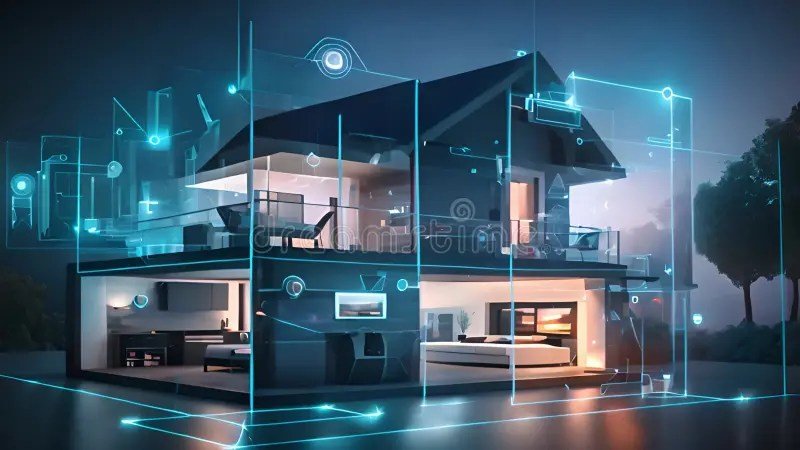
In an era defined by rapid technological advancement, the lines between our physical environments and digital interactions have blurred, leading to an entirely new paradigm: Digital Integration & Modern Living. This isn't just about having more gadgets; it's about weaving technology seamlessly into the fabric of our daily lives, transforming homes, communities, and personal well-being into something smarter, more intuitive, and deeply connected. Imagine a home that anticipates your needs, a city that optimizes resources, and a lifestyle that flows effortlessly with your digital tools—this vision is no longer science fiction, but a tangible reality shaping our present and future.
At a Glance: What You’ll Discover
- Smart Home Foundations: The core technologies (IoT, AI, Cloud) and components (hubs, sensors, devices) that make modern living intelligent.
- Historic Journey: A brief look at how smart homes evolved from niche experiments to mainstream must-haves.
- Key Benefits: How digital integration boosts energy efficiency, security, convenience, wellness, and entertainment.
- Navigating Challenges: Practical strategies for addressing privacy concerns, compatibility issues, and initial costs.
- Future Horizons: What's next with AI, Edge Computing, and 5G, painting a picture of tomorrow's autonomous homes.
- Getting Started Smart: Actionable steps to build your own integrated living experience effectively and securely.
- Real-World Impact: A look at how communities like Florida are embracing this transformation.
From Isolated Gadgets to a Connected Ecosystem: The Evolution
For decades, we’ve dabbled with "smart" devices—remote controls, programmable thermostats, even automated lighting. But true digital integration goes far beyond individual gizmos. It’s about creating an interconnected ecosystem where devices communicate, learn, and act in concert, all managed from a central point, often your smartphone or voice assistant.
This sophisticated coordination relies on a powerful trio of technologies: the Internet of Things (IoT), which connects everyday objects to the internet; Artificial Intelligence (AI), enabling devices to learn from your habits and make intelligent decisions; and Cloud Computing, providing the vast infrastructure for data storage and processing.
The journey began surprisingly early. Picture the "Kitchen Computer" of 1966—the ECHO IV—a clunky, refrigerator-sized machine that could control kitchen tasks. Fast forward to the X10 protocol in 1975, which allowed devices to communicate over existing electrical wiring. The 2000s brought internet connectivity into homes, followed by smartphone integration in the 2010s, making control truly mobile. Now, in the 2020s, AI and machine learning are pushing the boundaries, allowing systems to predict, adapt, and personalize experiences with unprecedented accuracy. This isn't just an evolution; it's a revolution in how we interact with our living spaces.
The Building Blocks of a Smart Home
Think of your digitally integrated home as a symphony orchestra. Each instrument (device) plays a crucial role, guided by a conductor (control hub), communicating in a common language (protocols).
- Central Control Hub: This is your nerve center. Devices like Amazon Echo, Google Home, Apple HomePod, or dedicated smart home controllers (e.g., Samsung SmartThings) act as the brain, coordinating all connected devices.
- Smart Sensors: These are the "eyes and ears" of your home. Motion sensors, door/window sensors, temperature sensors, humidity sensors, and even air quality monitors feed crucial data back to the hub, triggering automated responses.
- Intelligent Devices: This is the vast array of gadgets that perform actions based on sensor data or your commands.
- Smart Thermostats: (e.g., Nest, Ecobee) learn your preferences and optimize heating/cooling.
- Smart Lighting Systems: (e.g., Philips Hue) adjust brightness and color, respond to presence, or sync with entertainment.
- Smart Security Systems: (e.g., Ring, Arlo) include AI-powered cameras, automated door locks, and alarm systems.
- Voice Assistants: (e.g., Alexa, Google Assistant) offer hands-free control and information.
- Smart Appliances: Refrigerators that track inventory, ovens that preheat remotely, washing machines that optimize cycles.
- Connectivity Protocols: These are the "languages" devices use to talk to each other:
- Wi-Fi: Common for high-bandwidth devices like cameras.
- Bluetooth: Ideal for short-range, low-power connections.
- Zigbee & Z-Wave: Designed specifically for smart home devices, offering mesh networking and low energy consumption.
- Thread: A newer protocol for IoT devices, emphasizing reliability and security.
The Transformative Power: Benefits of Smart Integration
Moving beyond the novelty, true digital integration delivers tangible, life-enhancing benefits across multiple facets of modern living.
Energy Efficiency & Sustainability: Greener Living, Lower Bills
Perhaps one of the most compelling reasons to embrace smart living is its profound impact on energy consumption. Integrated systems monitor usage patterns, adapt to environmental conditions, and make intelligent adjustments, leading to significant savings.
- Intelligent Monitoring: Your smart thermostat learns your schedule, adjusting temperatures when you're away and ensuring comfort upon your return.
- Automated Regulation: Lighting systems dim or turn off when a room is unoccupied, and smart blinds can automatically close to block harsh sun, reducing cooling loads.
- Adaptive Habits: Some systems even provide detailed energy reports, empowering you to identify waste and make informed choices.
Studies show that integrated smart home solutions can reduce energy consumption by an impressive 30-40%. This not only translates to lower utility bills but also significantly reduces your carbon footprint, contributing to a more sustainable future.
Enhanced Security: Peace of Mind, Always On
A digitally integrated home acts as a vigilant guardian, offering comprehensive protection that goes far beyond traditional alarm systems.
- AI-Powered Surveillance: Smart cameras with AI can distinguish between pets, packages, and potential intruders, minimizing false alarms and sending relevant alerts directly to your phone.
- Automated Locks & Sensors: Remotely lock doors, check if windows are closed, and receive instant notifications if unusual activity is detected.
- Real-time Alerts & Emergency Integration: In the event of an emergency, systems can automatically contact you or even dispatch emergency services, providing critical seconds when they matter most.
- Virtual Presence: Schedule lights to turn on and off, or blinds to open and close, to give the illusion of occupancy even when you're away, deterring potential threats.
This layered approach offers unparalleled peace of mind, knowing your home and loved ones are protected around the clock.
Convenience & Personalization: Your Home, Your Rules
Imagine a home that not only responds to your commands but anticipates your needs. This is the promise of convenience and personalization that digital integration delivers.
- Routine Automation: Set scenes for "morning wake-up" that gradually brighten lights, start the coffee maker, and play your favorite news briefing.
- Voice Control: Manage lights, temperature, music, and more with simple voice commands, freeing your hands and attention.
- Remote Management: Control your home from anywhere in the world. Forgot to turn off the oven? Lock the front door? A few taps on your smartphone are all it takes.
- Adaptive Environments: Your home can adjust the lighting and temperature based on the time of day, weather, or even your current activity, creating an environment perfectly tailored to you.
This level of intelligent adaptation transforms a house into a truly responsive, intuitive living space.
Wellness & Care: A Nurturing Environment
Beyond convenience, digital integration is increasingly playing a vital role in fostering health and well-being, particularly for vulnerable populations.
- Air Quality Monitoring: Sensors detect pollutants, allergens, and abnormal CO2 levels, triggering purifiers or ventilation systems.
- Sleep Pattern Analysis: Integrated smart beds or wearables can track sleep quality and suggest environmental adjustments (temperature, light) for better rest.
- Medication Reminders: Smart dispensers and voice assistants can provide timely medication prompts, crucial for elderly care.
- Fall Detection: Wearable or environmental sensors can detect falls and automatically alert caregivers or emergency contacts, a game-changer for independent living for seniors.
- Mental Well-being: Adaptive lighting can mimic natural circadian rhythms, while ambient soundscapes can reduce stress and improve focus.
These emerging applications offer a new frontier in proactive, personalized care within the comfort of your own home.
Entertainment: Immersive Experiences on Demand
For many, entertainment is where digital integration truly shines, transforming ordinary experiences into something extraordinary.
- Multi-Room Audio: Stream music seamlessly across different rooms, controlling volume and playlists from a central interface.
- Personalized Content: Voice assistants learn your preferences, offering tailored music, podcast, or video recommendations.
- Adaptive Lighting & Visuals: Sync your smart lights with movies or music for an immersive sensory experience, creating a home theater that rivals any cinema.
- Gaming Enhancement: Low-latency 5G connectivity and edge computing could revolutionize online gaming experiences.
From casual listening to full-blown cinematic adventures, your integrated home becomes the ultimate entertainment hub.
Navigating the Road Ahead: Challenges & Solutions
While the benefits are clear, the path to a fully integrated home isn't without its speed bumps. Understanding these challenges and knowing how to address them is crucial for a smooth journey.
Security & Privacy: Safeguarding Your Digital Life
The more connected your home becomes, the more data it generates, and the more potential entry points exist for malicious actors. This makes security and privacy paramount.
- The Challenge: Data breaches, unauthorized access to cameras or personal information, and the potential for device exploitation.
- The Solution:
- Robust Encryption: Ensure all devices and communication channels use strong encryption.
- Secure Authentication: Implement multi-factor authentication (MFA) for all smart home accounts.
- Transparent Policies: Choose manufacturers with clear, transparent data usage policies. Read the fine print!
- Regular Updates: Keep all device firmware and software updated. Manufacturers often release patches for newly discovered vulnerabilities.
- Consumer Vigilance: Be mindful of the data you share, use strong, unique passwords, and segment your smart devices onto a separate network if possible.
Think of your smart home as a fortress; every connected device is a potential door or window. Ensure they are all locked and reinforced.
Compatibility: Making Devices Play Nice
With a multitude of brands, protocols, and platforms, getting everything to work together harmoniously can feel like herding cats.
- The Challenge: Devices from different manufacturers often speak different "languages" (protocols) or are designed for specific ecosystems, leading to frustrating silos.
- The Solution:
- Standardized Protocols: Look for devices that support universal protocols like Matter, an emerging standard aiming to unify smart home devices.
- Universal Integration Platforms: Invest in a robust central hub (e.g., Home Assistant, SmartThings) that supports a wide array of devices and protocols.
- Ecosystem Approach: Consider sticking to one major ecosystem (e.g., Apple HomeKit, Google Home, Amazon Alexa) for core devices to simplify compatibility, then branch out cautiously.
- Research Before You Buy: Always check device compatibility with your existing or planned smart home hub before making a purchase.
Compatibility issues are shrinking, but a bit of upfront research can save you a lot of headaches.
Initial Investment: The Cost of Going Smart
Setting up a comprehensive smart home can seem daunting due to the upfront cost of devices and potential installation services.
- The Challenge: High initial price tags for premium devices and complex installations.
- The Solution:
- Modular Implementation: Start small. Begin with fundamental systems like smart lighting or a smart thermostat, and gradually expand your setup as your needs and budget allow.
- Scalable Designs: Choose devices and platforms that are designed for expansion, ensuring future compatibility.
- Long-term Savings: Remember that many smart devices, particularly those focused on energy efficiency, offer significant long-term cost savings that can offset the initial outlay.
- Subscription Models: Some services (e.g., advanced security monitoring) offer subscription-based models, spreading costs over time.
Think of it as an investment in your home's future and your quality of life. The returns often extend far beyond monetary savings.
Beyond Tomorrow: Future Trends & Vision
The pace of innovation in digital integration shows no signs of slowing. The future promises an even more intuitive, responsive, and personalized living experience.
AI Advancements: A Truly Intelligent Home
Artificial intelligence will continue to be the driving force, making our homes not just smart, but truly intelligent.
- Predictive Capabilities: AI will move beyond reacting to your commands, anticipating your needs before you even realize them. Imagine your home adjusting lighting and temperature based on your calendar, real-time traffic conditions, and even your detected mood.
- Natural Language Processing (NLP): Voice assistants will understand more complex commands, context, and nuances, making interactions feel more natural and less like talking to a robot.
- Emotional Intelligence: Future AI might even be able to gauge your emotional state through subtle cues (voice tone, facial expressions) and respond accordingly, perhaps by playing calming music or adjusting ambient lighting.
Edge Computing & 5G Connectivity: Speed and Security
Two technological marvels are set to enhance the performance and privacy of our integrated environments.
- Edge Computing: Instead of sending all data to the cloud for processing, more computation will happen directly on your local devices (at the "edge" of the network). This means faster response times for critical actions (like security alerts) and enhanced privacy, as sensitive data remains on-site.
- 5G Connectivity: The ultra-fast speeds and low latency of 5G will unlock new possibilities for real-time monitoring, high-definition streaming, and complex device orchestration, especially for applications like augmented reality in the home or seamless car-to-home integration.
The Vision: Fully Autonomous, Seamless, and Holistic Living
The ultimate vision for tomorrow's homes is one of complete autonomy and seamless interaction.
- Autonomous Management: Homes will manage themselves, optimizing energy, security, and comfort without constant human input. They will learn, adapt, and even perform predictive maintenance on their own.
- Seamless Human-Technology Interaction: Technology will become invisible, integrated so perfectly that you rarely think about it. Interactions will be natural—gestures, thoughts, or subtle physiological cues.
- Personalized Environmental Adaptation: Your home will be a dynamic, adaptive ecosystem, constantly fine-tuning itself to your unique preferences, health metrics, and even your emotional state, creating a truly personalized living space.
- Holistic Wellness Ecosystems: The home will evolve into a comprehensive wellness hub, monitoring health, providing proactive care, and fostering both physical and mental well-being in an integrated manner.
Digital Integration in the Sunshine State: The Florida Example
The principles of Digital Integration & Modern Living are playing out vividly in places like Florida, where technology, smart living, and community involvement are actively shaping lifestyle transformation.
Residents across Florida are increasingly embracing smart home technologies not just for convenience, but for tangible benefits like energy efficiency and cost reduction. With its abundant sunshine, smart energy management systems that optimize air conditioning and integrate with solar power are especially impactful, minimizing environmental footprint while keeping homes cool.
Florida's robust digital infrastructure, particularly in cities like Miami, Tampa, and Orlando, makes it a hub for remote work, digital entrepreneurship, and online learning. This fosters flexible, lifestyle-centered careers, allowing individuals to truly leverage digital integration to design a life that blends work, leisure, and personal growth. The state exemplifies how a strong digital backbone supports not just individual smart homes, but an entire digitally-forward economy.
Beyond the gadgets, Florida's communities offer a rich tapestry of opportunities for engagement. From vibrant volunteer programs to thriving arts scenes, residents actively contribute to connection, purpose, and a vibrant culture. This shows that digital integration isn't just about isolating ourselves with technology; it's about freeing up time and resources to participate more fully in the rich human experiences available in our physical communities.
This holistic approach to modern living, seen in regions like Florida, highlights that lifestyle transformation also extends to personal style and self-expression, often supported by local boutiques and cultural events that thrive alongside the digital economy. It's a testament to how technology can enhance, rather than detract from, a rich and connected life, particularly for those who prioritize a modern, engaged existence, much like the insights we've gleaned about All about the Jones Generation.
Getting Started: Your Blueprint for a Smarter Home
Ready to transform your living space? Here's how to begin your journey into digital integration thoughtfully and effectively.
- Start with Your Needs (Not Just Gadgets): Don't buy a smart device just because it's "smart." Identify your pain points. Do you want to save energy? Improve security? Simplify your morning routine? Let your needs guide your purchases.
- Pick a Platform (and Stick to It, Initially): Choose a central ecosystem (e.g., Amazon Alexa, Google Home, Apple HomeKit, Samsung SmartThings) that resonates with you and offers the features you need. This will simplify compatibility and management.
- Prioritize Fundamentals: Begin with impactful, foundational systems. A smart thermostat, a few smart lights, or a basic security camera system are great starting points. Master these before expanding.
- Invest in Robust Security: From day one, implement strong passwords, enable two-factor authentication, and keep all device firmware updated. Research manufacturers' privacy policies. Your digital safety is paramount.
- Think Scalability: Choose devices and a platform that can grow with you. You might start small, but ensure your initial choices won't limit your ability to add more devices and automations later.
- Stay Informed & Experiment: Technology evolves rapidly. Follow tech news, read reviews, and don't be afraid to experiment with new automations or devices. The beauty of digital integration is its flexibility.
- Remember the Human Element: The ultimate goal is to enhance your quality of life, not to acquire a collection of complicated gadgets. Use technology to simplify, enrich, and connect your life, rather than overwhelming it.
Digital Integration & Modern Living isn't just about future trends; it's about crafting a present that is more convenient, secure, sustainable, and tailored to you. By approaching it strategically and with a clear understanding of both its potential and its pitfalls, you can unlock a living experience that is truly smarter, more connected, and profoundly human.